 Outsource Payroll Company
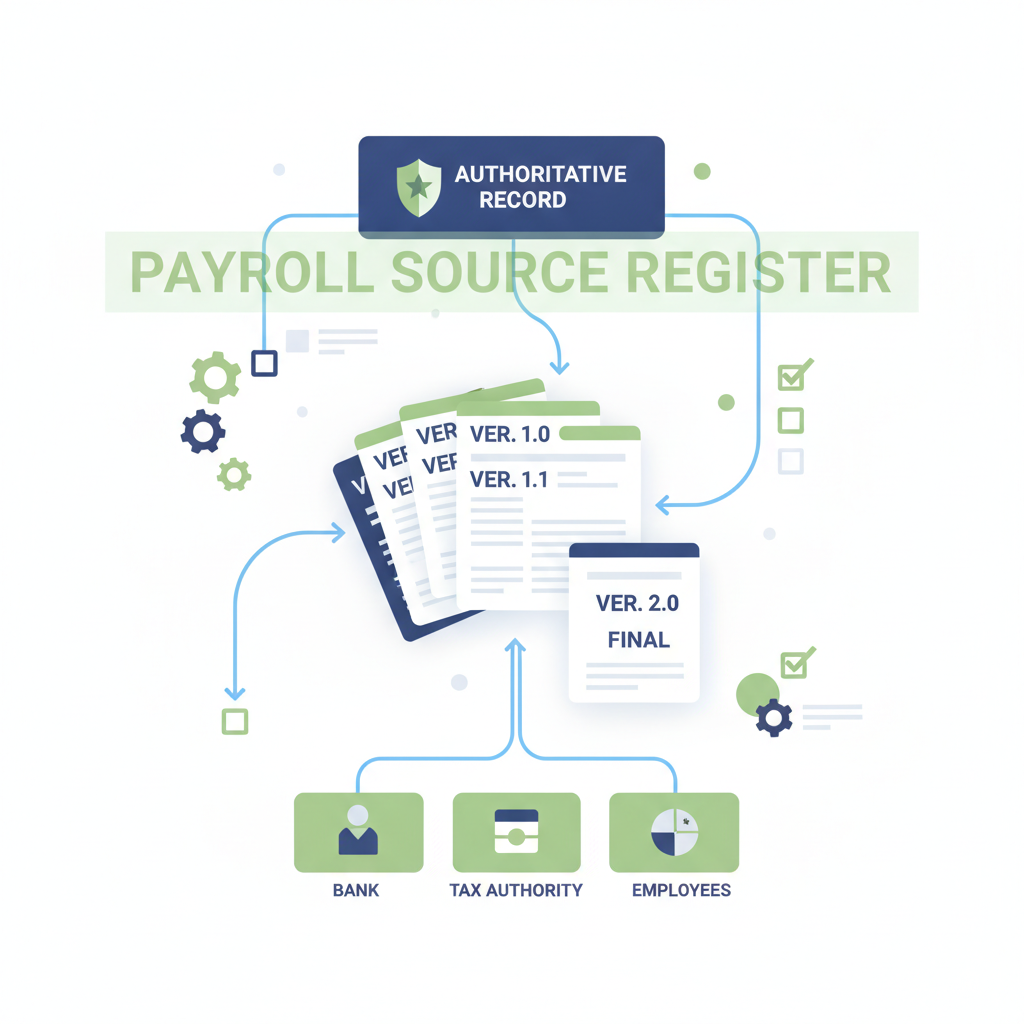
Operations & workflow
Assign ownership for a payroll and HRIS integration
Define source authority, field mappings, error queues, monitoring, access, and change approval across payroll, HR, IT, and the provider.
Blog / Outsource Payroll Company
Explore practical guides for Outsource Payroll Company workflows, role planning, and day-to-day coordination.

Payroll support. Personal attention.
Explore our services ↗The library
Browse practical guidance, choose a topic, or search for the workflow on your mind.
Define source authority, field mappings, error queues, monitoring, access, and change approval across payroll, HR, IT, and the provider.
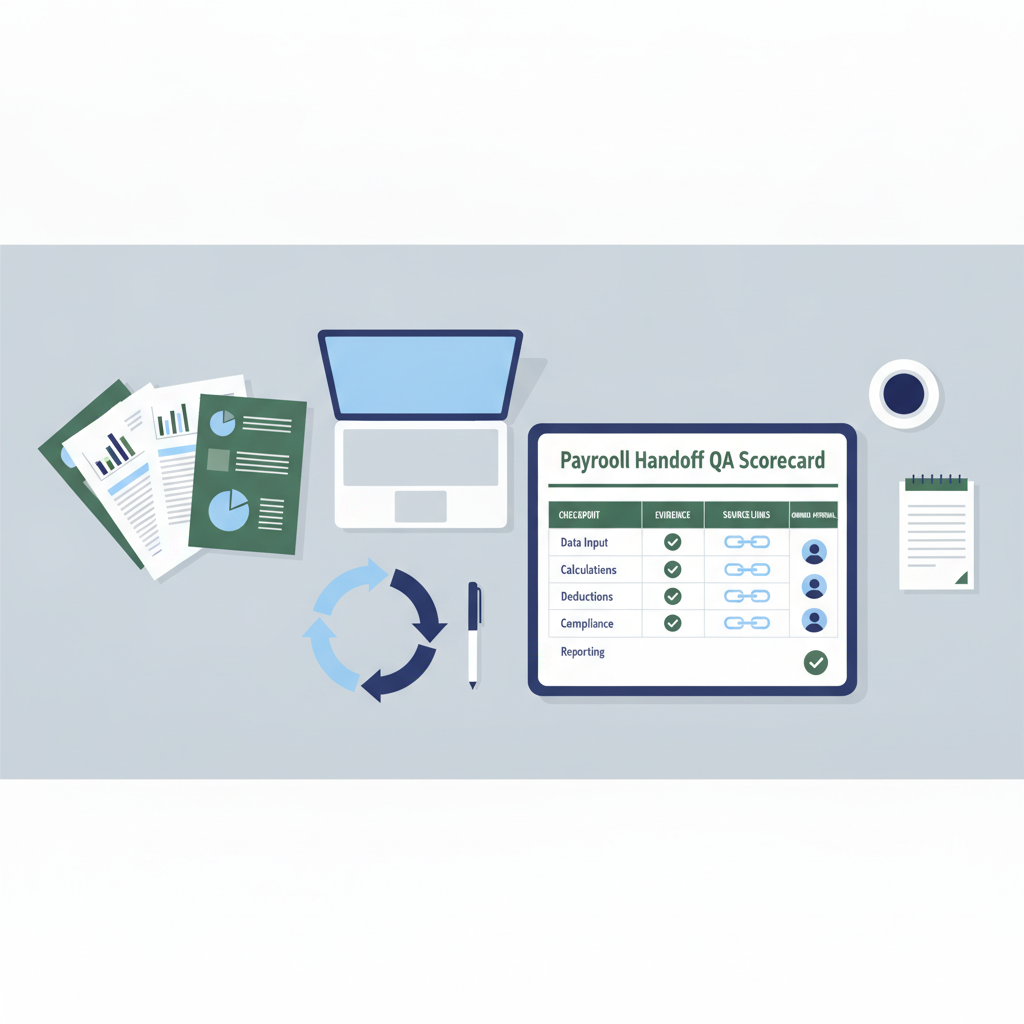
Inventory entities, populations, calendars, contracts, data, controls, and transition choices before combining payroll operations.
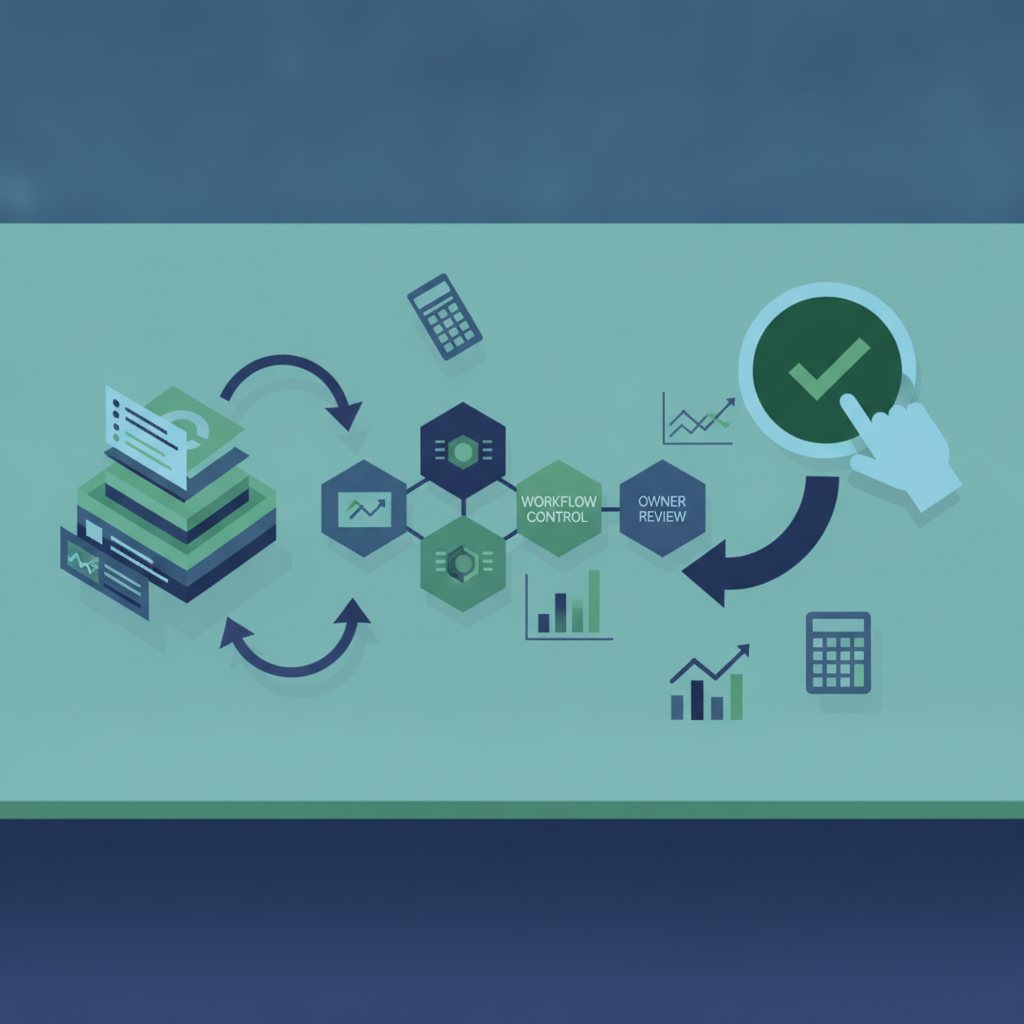
Create a practical governance rhythm for scope, dependencies, decisions, defects, and launch readiness during a payroll outsourcing transition.
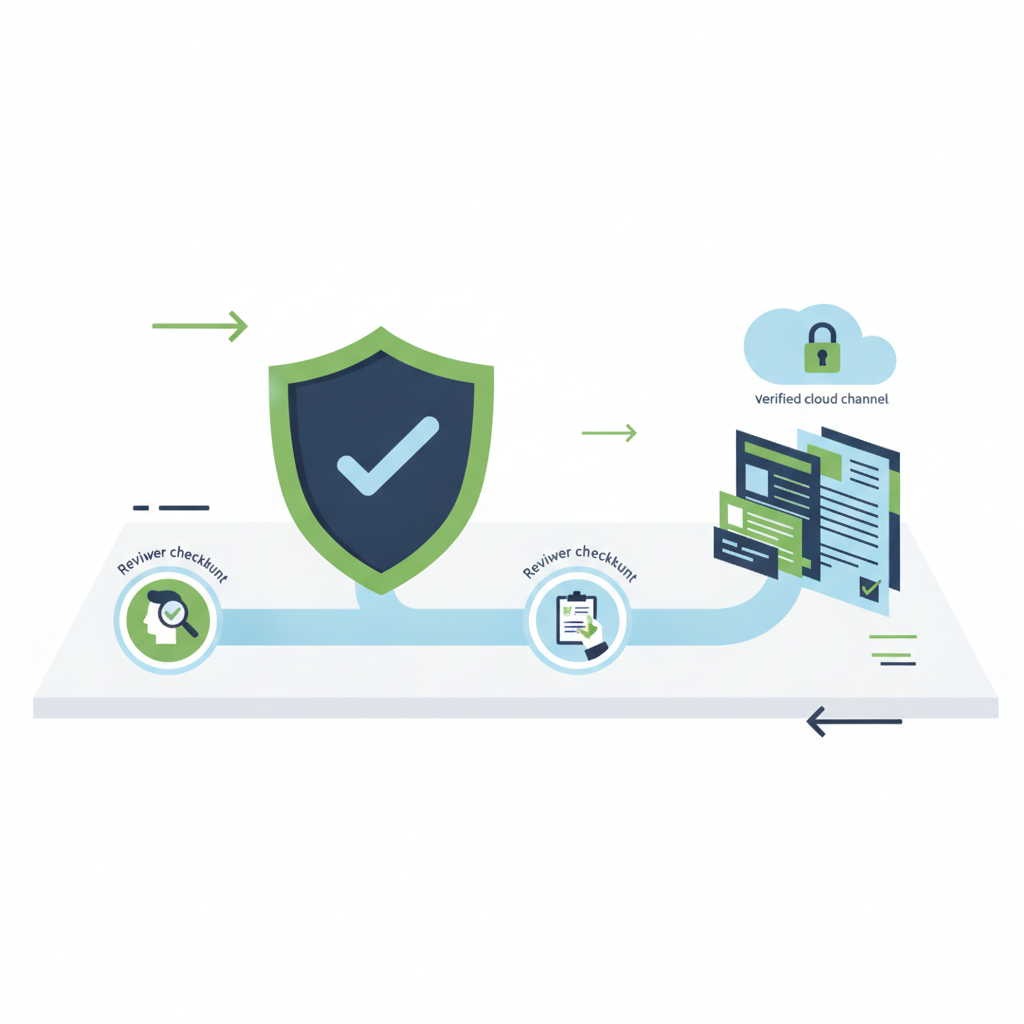
Define severity, ownership, response evidence, decision authority, and communication routes before a payroll issue threatens payday.
Check billed populations, units, extras, implementation work, credits, and approvals without treating the invoice total as self-explanatory.
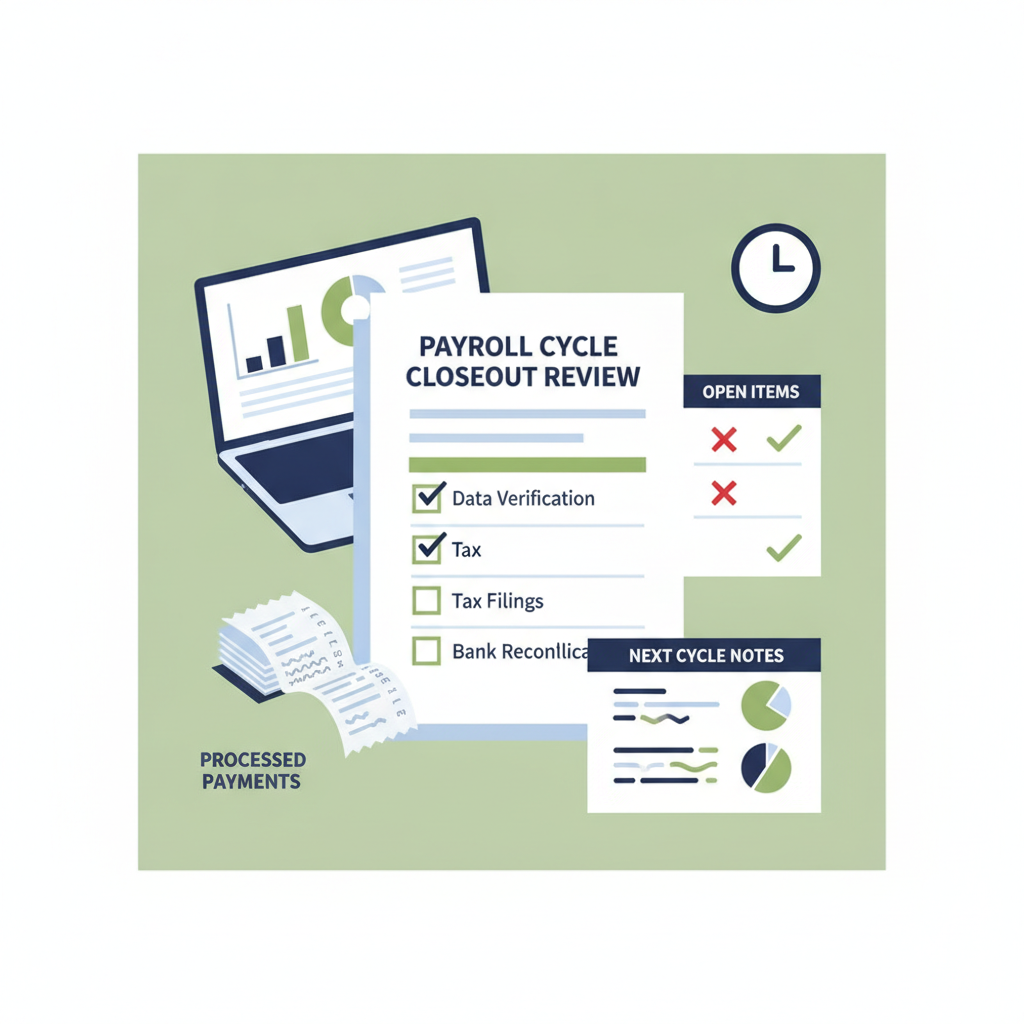
Combine service events, control evidence, customer experience, changes, risks, and improvement ownership in a decision-focused review.
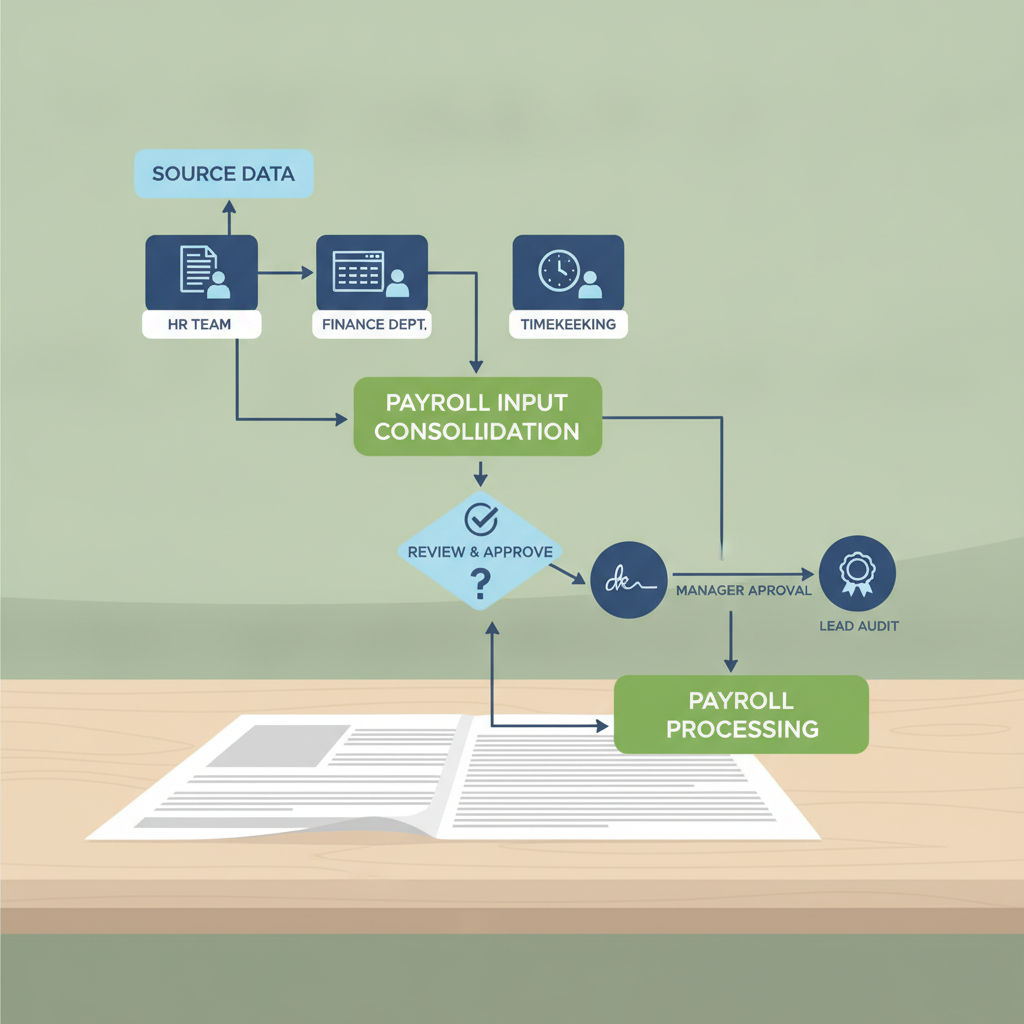
Estimate the internal ownership, review capacity, specialist access, and backup coverage that remain necessary after payroll work is outsourced.

Model volume, onboarding inputs, approvals, support demand, cutoff pressure, and fallback coverage before a seasonal workforce arrives.

Exercise people, data, access, provider, funding, communication, and recovery against a real payroll deadline.
Use field lineage, population controls, transformation evidence, exception ownership, and output checks to prove what moved.
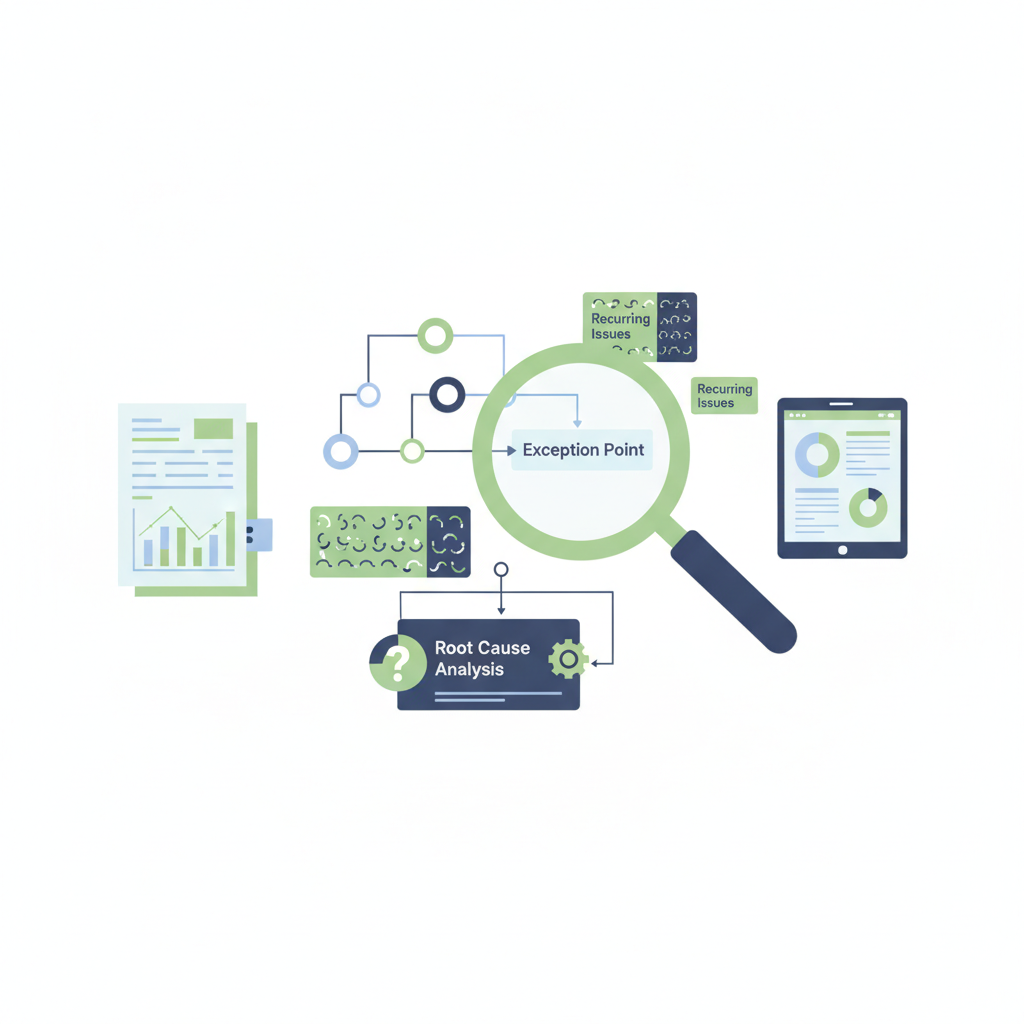
Separate source, preparation, decision, processing, detection, correction, communication, and prevention responsibilities.
Compare recurring preparation, specialist decisions, systems, controls, continuity, retained authority, and change.
Compare governance, local ownership, data flow, funding, support, consolidation, continuity, and exit instead of country counts.
Build the implementation around decisions, data, testing, owner readiness, and reversible launch gates rather than one target date.
Normalize base fees, volume units, exceptions, implementation work, buyer labor, and exit costs before comparing prices.
Compare providers through observable workflows, ownership, evidence, security, implementation, and exit readiness instead of polished feature lists.
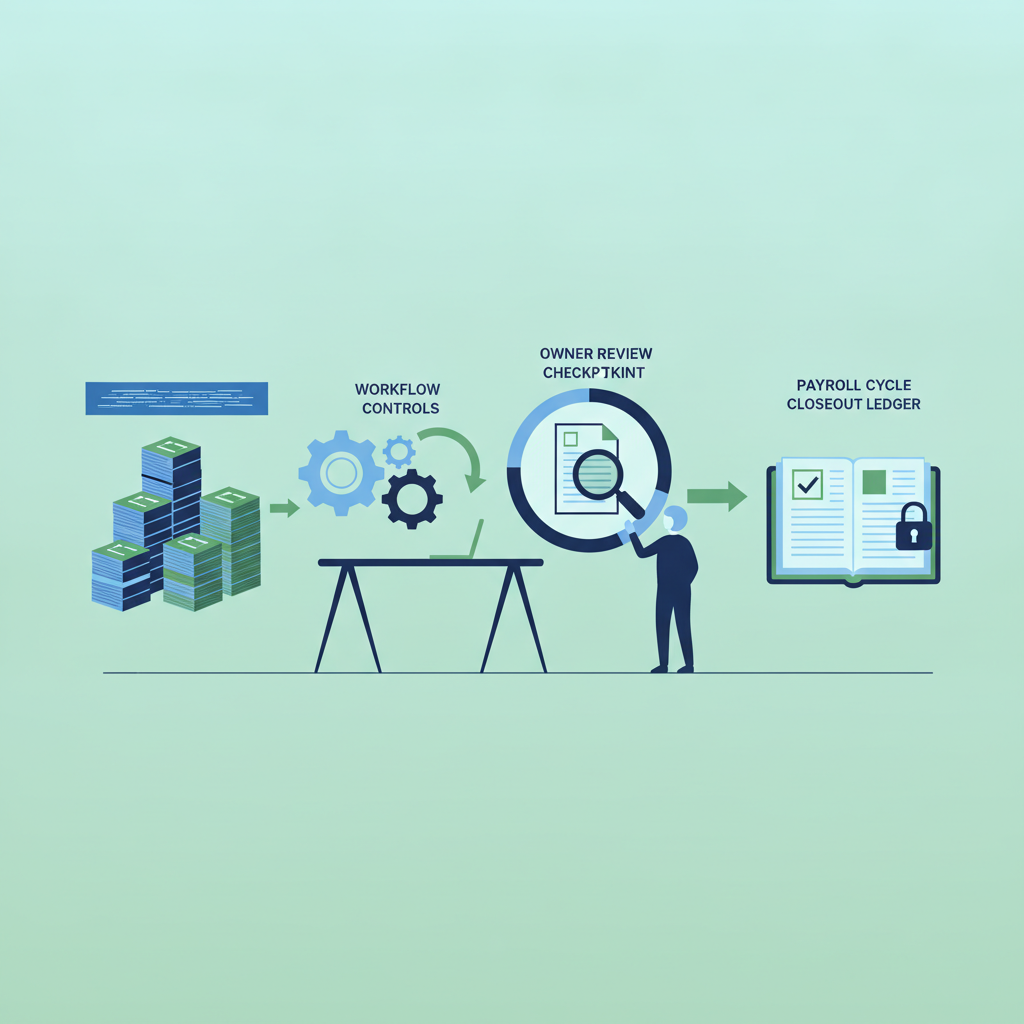
Turn vague responsiveness promises into measurable service windows, owner actions, exception states, and verification records.

Define populations, expected differences, tolerances, defect severity, and retest rules before results become a go-live argument.

Define export formats, access, knowledge transfer, open cases, verification, and deletion evidence while leverage exists.
Connect assurance reports to data flows, access, incidents, subcontractors, retention, continuity, and exit.
From reading to doing
Compare the workflow in the article with the systems, responsibilities, and review process your team uses.
Research links provide the original context. Check dates, scope, and applicability before relying on a conclusion.
Use your notes to define an input, an output, and the person who will review the work.
Keep the work moving
Dedicated payroll support for the work before the numbers are final. Bring order to timesheets, employee changes, questions, and provider handoffs while your payroll owner keeps approval.