 Outsource Payroll Company

Quality & review
Review payroll paycard enrollment exceptions before payment
Separate enrollment, identity verification, consent, account activation, payroll destination, and failed-payment evidence so exceptions reach the right owner.
Blog / Outsource Payroll Company
Explore practical guides for Outsource Payroll Company workflows, role planning, and day-to-day coordination.

Payroll support. Personal attention.
Explore our services ↗The library
Browse practical guidance, choose a topic, or search for the workflow on your mind.
Separate enrollment, identity verification, consent, account activation, payroll destination, and failed-payment evidence so exceptions reach the right owner.

Connect the returned payment to its trace, worker, payroll result, provider status, verified contact path, and owner-approved next action.
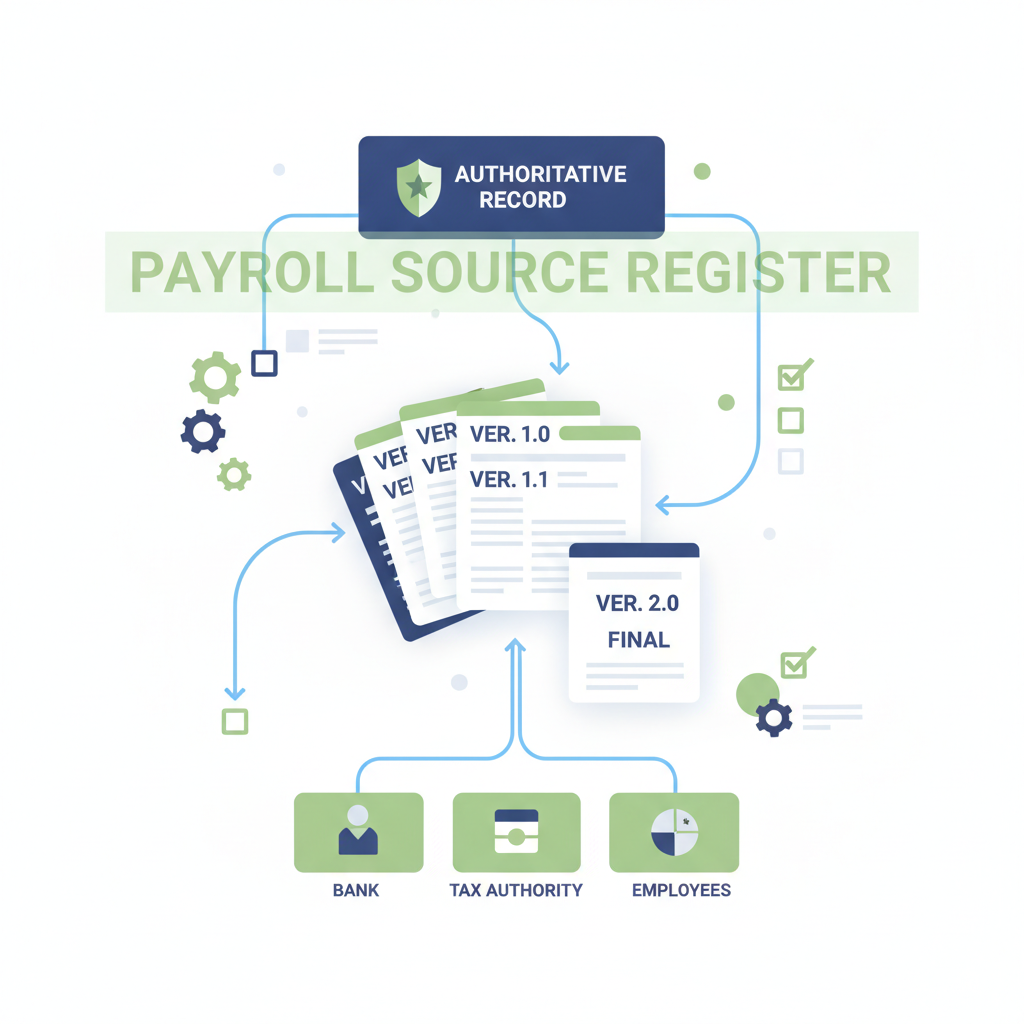
Link assignment records, home and host payroll outputs, compensation inputs, currency dates, tax-owner instructions, and reconciliation states.

Connect the authorized role or location change to classification evidence, effective timing, payroll configuration, premiums, and owner verification.
Reconcile the authorized return record with time, salary, benefits, recurring inputs, and payroll timing before an owner approves changes.

Give the payroll owner the source, reason, amount, timing, controls, and verification needed to decide an exceptional payment.
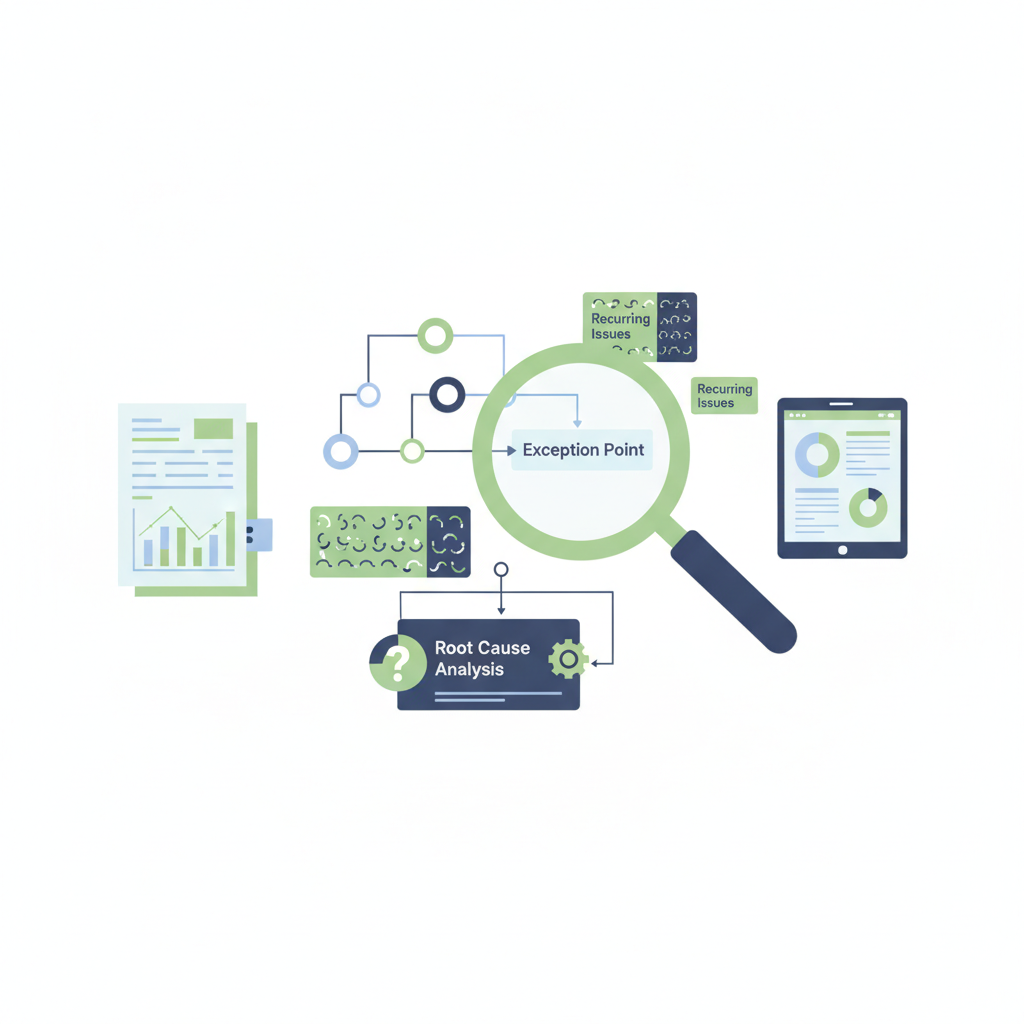
Trace earnings, deductions, taxes, arrears, and corrections to their sources, then present the exception for owner decision.
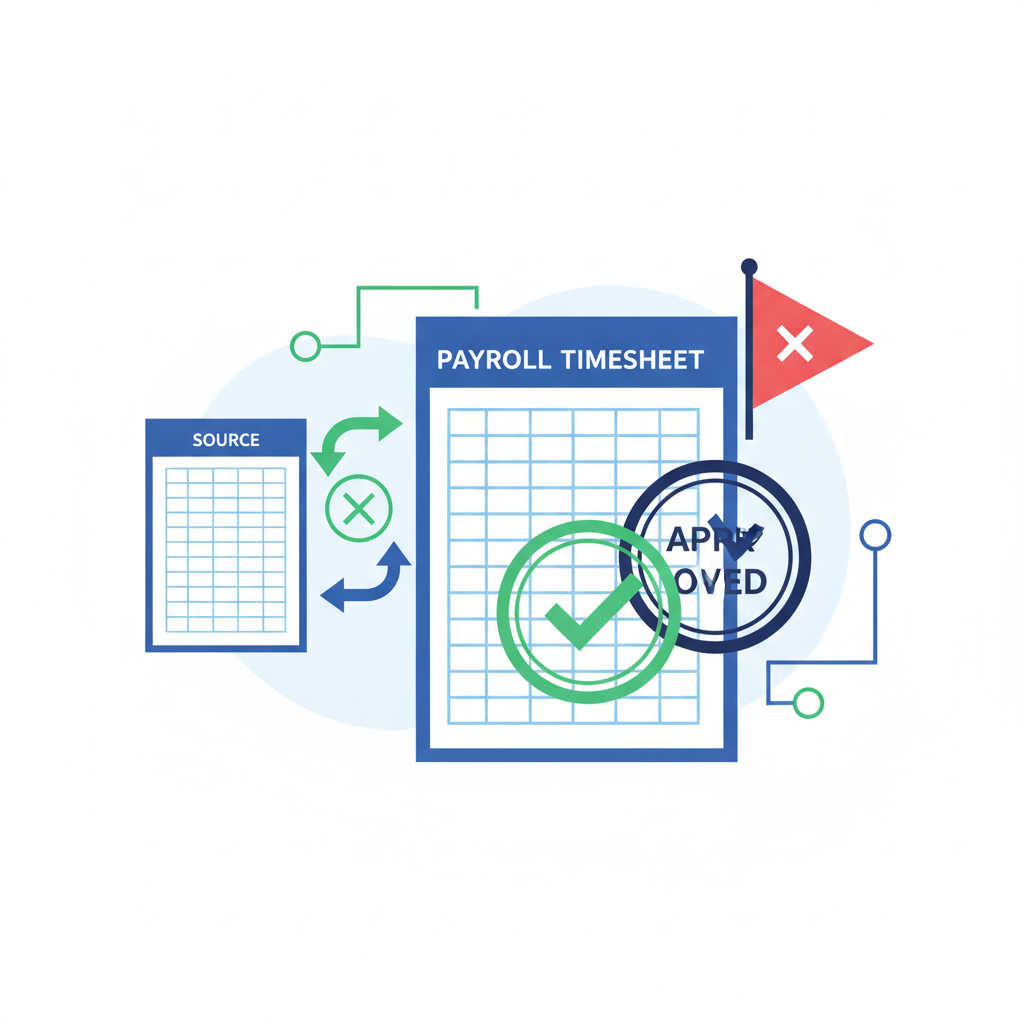
Tie classifications, locations, hours, rate sources, fringes, and approvals to protected records without interpreting contract requirements.
Connect each approved bonus or supplemental payment to its source, covered period, payroll code, tax review, and final approval.
Preserve the notice, verify the authority and deadline, restrict access, and assign response questions without treating intake as tax advice.

Connect an approved benefit valuation to the correct worker, period, payroll code, supporting evidence, and tax-owner review.

Map the authorized termination record, effective timing, open inputs, owner decisions, and provider deadline before final payroll processing.

Match carrier reports, employer records, payroll treatment, taxes, and year-to-date balances without guessing missing values.

Bridge authorized roster changes to worker records, effective periods, deduction codes, exceptions, and verified payroll output.
Preserve the received order, validate its route and deadlines, and place interpretation and deduction decisions with qualified owners.
Verify the authorized work-location source, effective date, affected systems, tax review, and output before closing the request.
Trace the arrears source, affected periods, proposed deduction input, limits, and owner decision without guessing treatment.
Connect approved commission records to the covered period, payroll code, exception list, and final owner review.
Preserve the notice, stop routine employee outreach, and route pay, beneficiary, tax, and access questions to qualified owners.
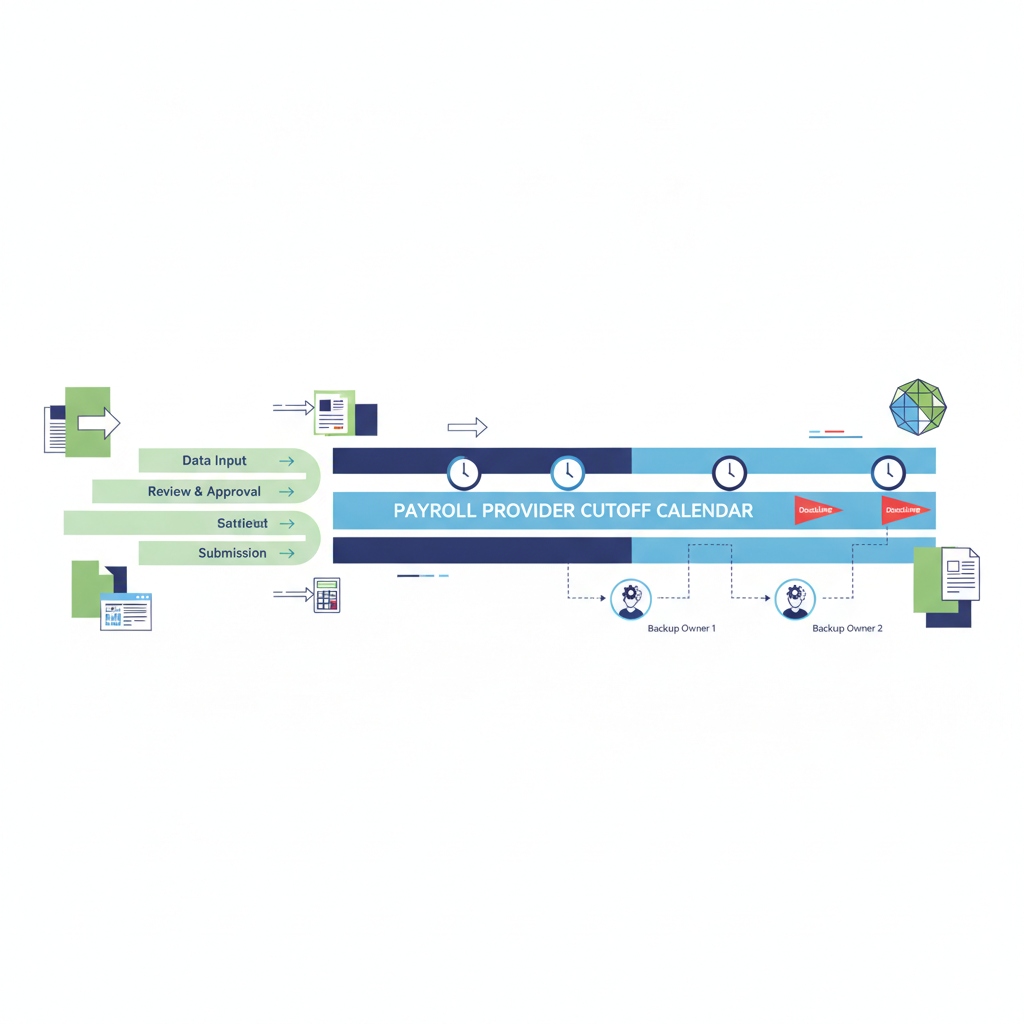
Keep funding requests, authorization, transfer evidence, provider acknowledgement, and release status distinct.
From reading to doing
Compare the workflow in the article with the systems, responsibilities, and review process your team uses.
Research links provide the original context. Check dates, scope, and applicability before relying on a conclusion.
Use your notes to define an input, an output, and the person who will review the work.
Keep the work moving
Dedicated payroll support for the work before the numbers are final. Bring order to timesheets, employee changes, questions, and provider handoffs while your payroll owner keeps approval.