
Outsource Payroll Company guide
Triage a worker identifier collision across payroll systems
Published:
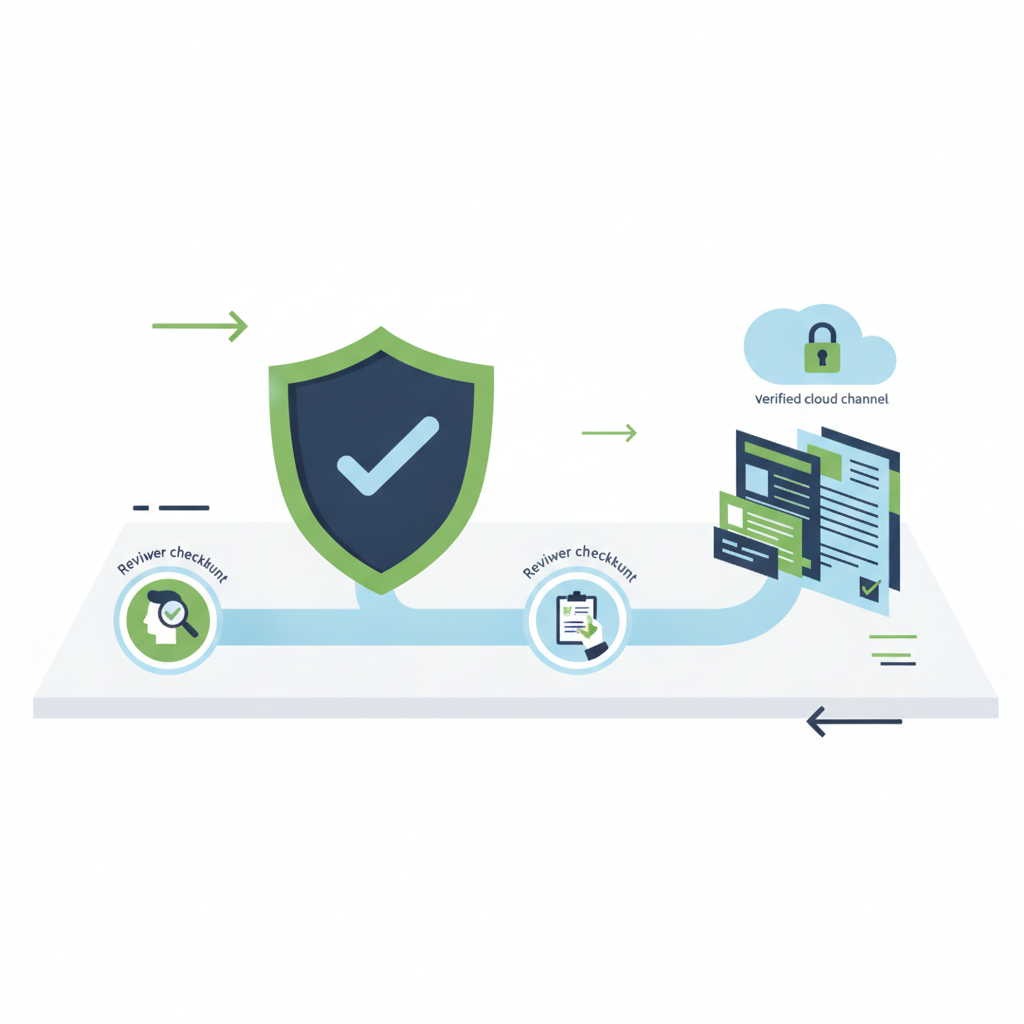
Protect two records from accidental merging while HR, payroll, provider, and system owners resolve identity and history.
The short answer
Protect two records from accidental merging while HR, payroll, provider, and system owners resolve identity and history.
Run the worker-identifier collision as a controlled evidence path with named authority, minimum necessary access, and output verification.
Payroll handoff readiness check
Use this table before a provider or Philippines-based payroll support specialist receives access. Match every row to a named owner before the first login.
| Work area | Ready to hand off when | Owner check |
|---|---|---|
| Scope | The worker-identifier collision population, period, source, and cutoff are named. | Confirm inclusions and decision rights. |
| Evidence | Original records, versions, timestamps, and conflicts are linked. | Resolve missing or conflicting authority. |
| Close | The authorized action can be compared with the intended output. | Confirm results and remaining dependencies. |
“A payroll status is useful only when its source, authority, and expected output are visible.”
Outsource Payroll Company operating principle
Open a bounded worker-identifier collision record
Restrict the case and preserve both records. Capture masked identifiers, systems, entities, pay groups, periods, discovery source, current processing state, and named identity owner. Stop automatic merge, deletion, or carry-forward steps when the collision could affect active payroll.
Separate observation from decision
Compare authoritative identity references through approved channels without copying full identity documents into the case log. Map which transactions, balances, payment instructions, tax records, time entries, and approvals attach to each record. Similar names or contact details are not sufficient evidence.
Prepare a decision-ready owner review
Prepare a discrepancy table for authorized HR, payroll, provider, security, privacy, or system owners. State which facts agree, which conflict, which deadlines are approaching, and which actions remain reversible. Support should not choose the surviving identity or redistribute payroll history.
Verify the result across outputs
After the owners resolve the collision, verify each affected population, balance, instruction, and output. Confirm that one person was not paid twice or omitted and that unrelated records did not move. Retain the minimum approved decision evidence and close temporary access or working copies.
Build a practical operating rhythm
Assign one preparer and one accountable owner for the worker-identifier collision. Use a dated queue with clear states such as received, evidence incomplete, owner review, approved action, output verification, and closed. Review approaching cutoffs daily during a live payroll cycle and age unresolved items by the next required action, not by how many messages have been sent.
After close, sample ordinary and exceptional records. Ask where the worker-identifier collision first became observable, whether the source was authoritative, whether access stayed within scope, and whether the output proved the approved action. Change a checklist or system rule only when case evidence identifies a repeatable gap; keep one-off judgments attached to their own facts.
Boundaries for outsourced payroll support
A Philippines-based payroll support specialist can maintain the register, request missing records through approved channels, compare versions, prepare a concise owner packet, track deadlines, and verify observable outputs. Final payroll approval, payment release, disputed pay, tax interpretation, legal conclusions, benefit eligibility, employment decisions, bank-detail changes, and production permission changes stay with company-designated owners or qualified advisers.
Use named accounts, multifactor authentication, least privilege, and protected source links. Do not put credentials, full bank details, government identifiers, identity documents, health information, or unnecessary employee data in coordination notes. If the evidence or authority is unclear, the safe operational result is a visible exception with an owner—not an invented answer.
Copy-ready brief
Payroll support role brief
Replace the tool names and owner details, then use this list in a provider call or job brief.
- Role: bounded payroll preparation and evidence support
- Workflow: Triage a worker identifier collision across payroll systems
- Output: dated case record with source links, decisions, and verification
- Access: named account, multifactor authentication, and least privilege
- Stop rule: escalate consequential payroll, tax, legal, benefit, employment, banking, and approval decisions
- Review: a company-designated owner confirms action and closure
Questions from payroll buyers
Can outsourced payroll support approve a worker-identifier collision decision?
No. Support can organize sources, compare records, track status, and prepare a decision packet. A company-designated owner or qualified adviser approves consequential action.
What belongs in the working record?
Keep the case identifier, source reference, period, population, timestamps, status, owner, next action, deadline, decision, and output evidence. Use protected links instead of copying sensitive values.
When can the item close?
Close after the authorized action appears in the intended output and every remaining dependency has a named owner and date. A sent message, uploaded file, or ticket status alone is not verification.
Sources
- IRS Publication 15 (2026), Employer's Tax GuideOfficial U.S. guidance on payroll periods, deposits, reporting, and corrections.
- U.S. Department of Labor Fact Sheet #21Official federal summary of FLSA recordkeeping requirements.
- NIST Zero Trust Architecture, SP 800-207Official guidance on explicit verification and least-privilege access.
- Philippine National Privacy Commission: Data Privacy ActOfficial Philippine privacy-law resource; qualified advisers should assess specific obligations.