
Outsource Payroll Company guide
Design a payroll provider escalation path that works under deadline
Published:
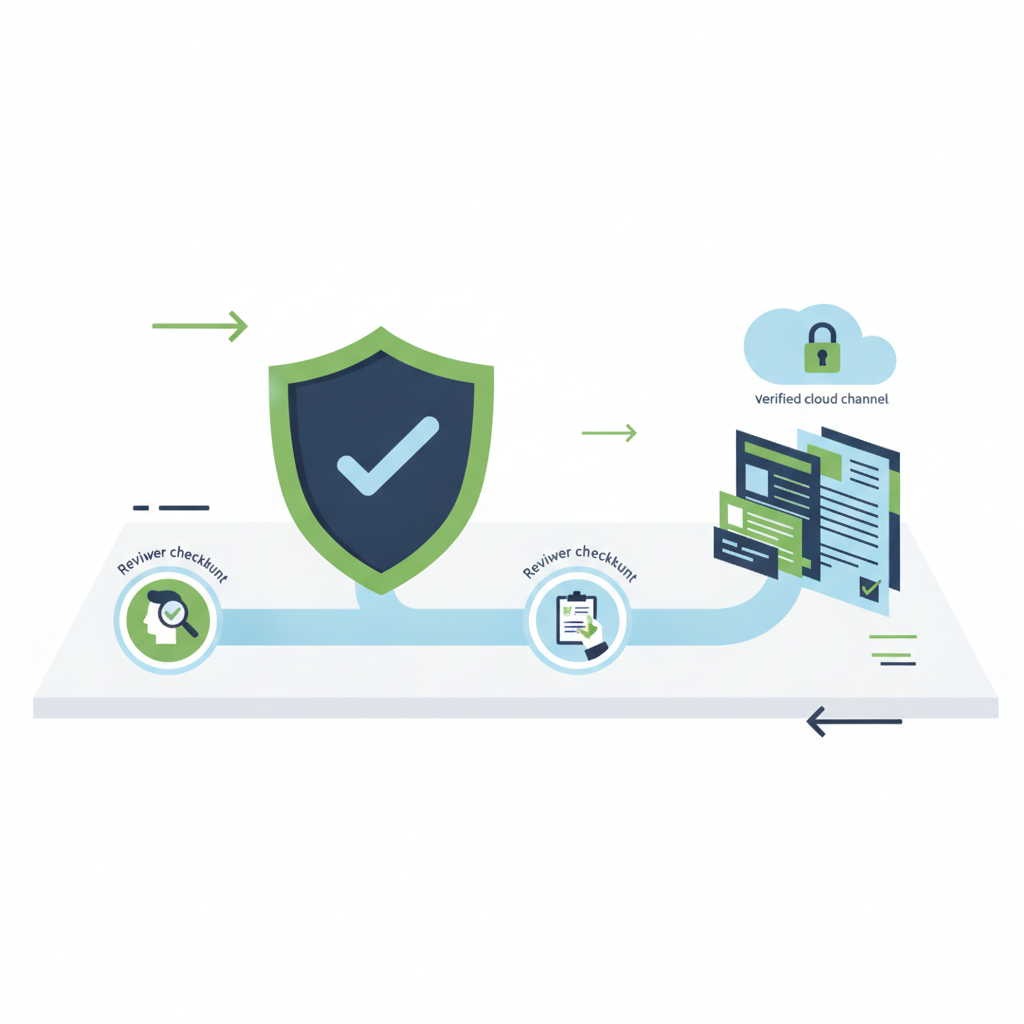
Define severity, ownership, response evidence, decision authority, and communication routes before a payroll issue threatens payday.
The short answer
Define severity, ownership, response evidence, decision authority, and communication routes before a payroll issue threatens payday.
Base the decision on a tested escalation matrix linked to payroll deadlines and incident consequences and keep consequential authority with the client.
Payroll handoff readiness check
Use this table before a provider or Philippines-based payroll support specialist receives access. Match every row to a named owner before the first login.
| Work area | Ready to hand off when | Owner check |
|---|---|---|
| Scope | Population, period, systems, deadline, and exclusions are written. | Confirm the decision and authority. |
| Evidence | Facts, claims, assumptions, and observations remain distinct. | Resolve conflicts. |
| Access | Named access is limited to the task. | Approve removal date. |
| Decision | Consequential questions have owners. | Record the decision. |
“There is no implicit trust granted to assets or user accounts based solely on their physical or network location.”
NIST SP 800-207
Design escalation around a payroll consequence
A useful escalation path begins with the event that threatens payroll, not the seniority of the people on a contact list. Define triggers such as a rejected input file, unavailable calculation platform, unexplained variance, missing approval evidence, failed payment instruction, suspected privacy incident, or provider silence inside a critical window. For each trigger, record the affected population, next payroll deadline, last reversible action, and observable evidence. This lets the first responder select a route without guessing whether an issue feels important enough. Severity should reflect potential employee, payment, filing, security, or continuity consequences and the time left to respond. It should not rise simply because an executive has joined the conversation. Keep commercial dissatisfaction separate from the immediate operating event so urgent recovery does not wait for a debate about liability.
Put two owners on every active route
The provider and buyer each need an accountable owner because either side may be waiting for information or authority held by the other. Name a primary and backup for technical investigation, buyer evidence, operational coordination, and consequential decisions. The coordinator maintains the timeline and requests updates, but does not inherit permission to change policy, release funds, communicate sensitive conclusions, or accept risk. Record what each owner must return: acknowledgement, diagnosis, requested evidence, available options, expected next update, or verified recovery. Avoid distribution lists with no named responder. If several specialists are needed, one incident owner should still assemble the current position and identify the unresolved decision. Test that backups can access the case channel and relevant systems before an incident; a telephone number is not operational coverage.
Set clocks that follow the payroll calendar
Generic response targets can mislead when a payroll deadline is closer than the contractual service window. Store the detection time, provider acknowledgement target, next update, decision deadline, workaround deadline, funding cutoff, and pay date in one record. Use the site-configured time zone and label any provider or banking time zone explicitly. The first clock measures human acknowledgement, not an automated ticket receipt. Later clocks should describe the evidence expected, such as a validated replacement file or a tested restoration estimate. Recalculate the route when the remaining time changes the available options. An issue discovered five days before cutoff may allow root-cause correction; the same issue found two hours before funding may require a bounded contingency and a separate permanent fix. Do not promise outcomes that depend on banks, regulators, advisers, or systems outside either party's control.
Prepare a protected incident packet
The opening escalation should contain enough information to act without broadcasting employee data. Include a case identifier, pay group, affected count, payroll stage, detection time, deadline, observed behavior, expected behavior, last successful step, known recent changes, evidence location, and the decision currently needed. Use protected references for employee-level records and restrict access to people working the case. Do not paste bank details, tax identifiers, credentials, or full payroll files into general chat or email chains. Preserve the original error and source version before anyone replaces a file. State which facts are confirmed, which are reported, and which are hypotheses. A disciplined packet reduces repeated questioning and makes handoffs possible, while retaining the evidence needed to verify whether the eventual action addressed the same event that triggered escalation.
Run a two-hour file-failure tabletop
Test the path with a concrete scenario: the provider reports that an input file fails validation two hours before the agreed funding deadline. Start the clock at the first observable rejection. Require the provider owner to identify the failed rule and return machine or screen evidence. Require the buyer owner to locate the approved source, confirm the file version, and decide whether a corrected submission is authorized. Ask treasury what decision time preserves the funding route, without asking it to share credentials. The coordinator records each unanswered contact, transfer, and decision. If the correction succeeds, compare the accepted record count and control totals with the approved source before moving forward. If it fails, invoke only a pre-authorized contingency. The exercise is unsuccessful when participants merely discuss what they would probably do.
Keep workarounds bounded and reversible
An emergency workaround needs a named decision owner, narrow scope, expiry point, verification method, and return-to-normal step. Examples might include a controlled manual upload, an earlier validated source version, or a reduced processing population, but none should be assumed safe without examining duplicate, omission, security, funding, and recordkeeping consequences. State what the workaround cannot solve. A restored calculation does not prove that payment, filing, or employee communication is complete. Capture temporary access and remove it after use. Preserve the rejected attempt beside the approved workaround so the audit trail does not imply a normal process. If authority is unavailable or the remaining evidence cannot support a decision, the path should expose that fact to the designated risk owner rather than letting urgency turn an operational coordinator into an approver.
Communicate by audience and decision need
Separate the technical working channel from decision updates and employee communications. Engineers and payroll specialists may need detailed logs; leaders need consequence, options, deadline, owner, and next evidence; affected employees may need a clear, approved statement through the established support channel. Define who can authorize each message and when privacy, security, legal, HR, or communications specialists must participate. Use a regular update rhythm during a live event, even when the update is that investigation continues, but avoid confident estimates without evidence. Record changes to the expected resolution time and the reason. A single incident record should link the approved messages without becoming an unrestricted repository of personal data. This structure prevents contradictory updates while keeping the people who must decide from searching a long technical transcript for the current question.
Verify recovery before lowering severity
A provider saying the job completed is an input to verification, not closure. Compare the corrected output with the approved source and the failure evidence. Check the affected population, record counts, material totals, exception queue, approval state, funding status, and downstream handoffs relevant to the incident. Assign a buyer owner to accept the operational result and record any residual limitation. Lower severity only when the immediate consequence is controlled and the next payroll-critical step can proceed. Keep permanent remediation open under a separate owner when necessary. Reopen the incident if an employee case, reconciliation, bank response, or filing evidence contradicts the recovery claim. This distinction protects the deadline without allowing a temporary repair to erase the need for root-cause work, contractual follow-up, or a broader population review.
Review the route using event evidence
After closure, calculate detection time, human acknowledgement, decision latency, missed handoffs, workaround duration, reopenings, and time to verified recovery. Read the timeline behind those figures. A fast acknowledgement with no useful diagnosis may add little; a longer investigation may be reasonable if the next update and deadline remain controlled. Identify unanswered contacts, inaccessible evidence, unclear authority, duplicate channels, or sensitive information sent too widely. Give every improvement a named owner, due date, acceptance evidence, and retest condition. Update the escalation matrix rather than keeping lessons in meeting notes. OutsourcePayrollCompany.com can support case organization, evidence preparation, follow-ups, and tested handoffs. The client retains decisions about payroll release, funding, policy, employee communication, specialist advice, risk acceptance, and any contractual remedy.
Copy-ready brief
Payroll support role brief
Replace the tool names and owner details, then use this list in a provider call or job brief.
- Routine: Design a payroll provider escalation path that works under deadline
- Output: a tested escalation matrix linked to payroll deadlines and incident consequences
- Access: named, least-privilege accounts
- Approval: authorized client owners
- Stop: unclear source, identity, channel, scope, or authority
Questions from payroll buyers
Who owns payroll provider escalation design?
Support prepares a tested escalation matrix linked to payroll deadlines and incident consequences; authorized client owners retain severity changes, emergency workarounds, employee communication, funding action, correction method, and risk acceptance.
What should the first pilot include?
Use one representative cycle including a provider file fails validation two hours before the agreed funding deadline.
How is progress reviewed?
Track detection time, human acknowledgement, decision latency, missed handoffs, workaround duration, reopenings, and verified closure, then verify consequential exceptions with their owners.
Sources
- IRS Publication 15 (2026), Employer's Tax GuideOfficial employer guidance for federal payroll records, deposits, reporting, and corrections.
- U.S. Department of Labor Fact Sheet #21Official summary of federal wage and hour recordkeeping requirements.
- NIST SP 800-53 Rev. 5Official security and privacy control guidance.
- Philippine National Privacy Commission: Data Privacy ActOfficial Philippine privacy resource for teams handling personal information.