
Outsource Payroll Company guide
Coordinate payroll overpayment cases without turning support staff into decision makers
Published:
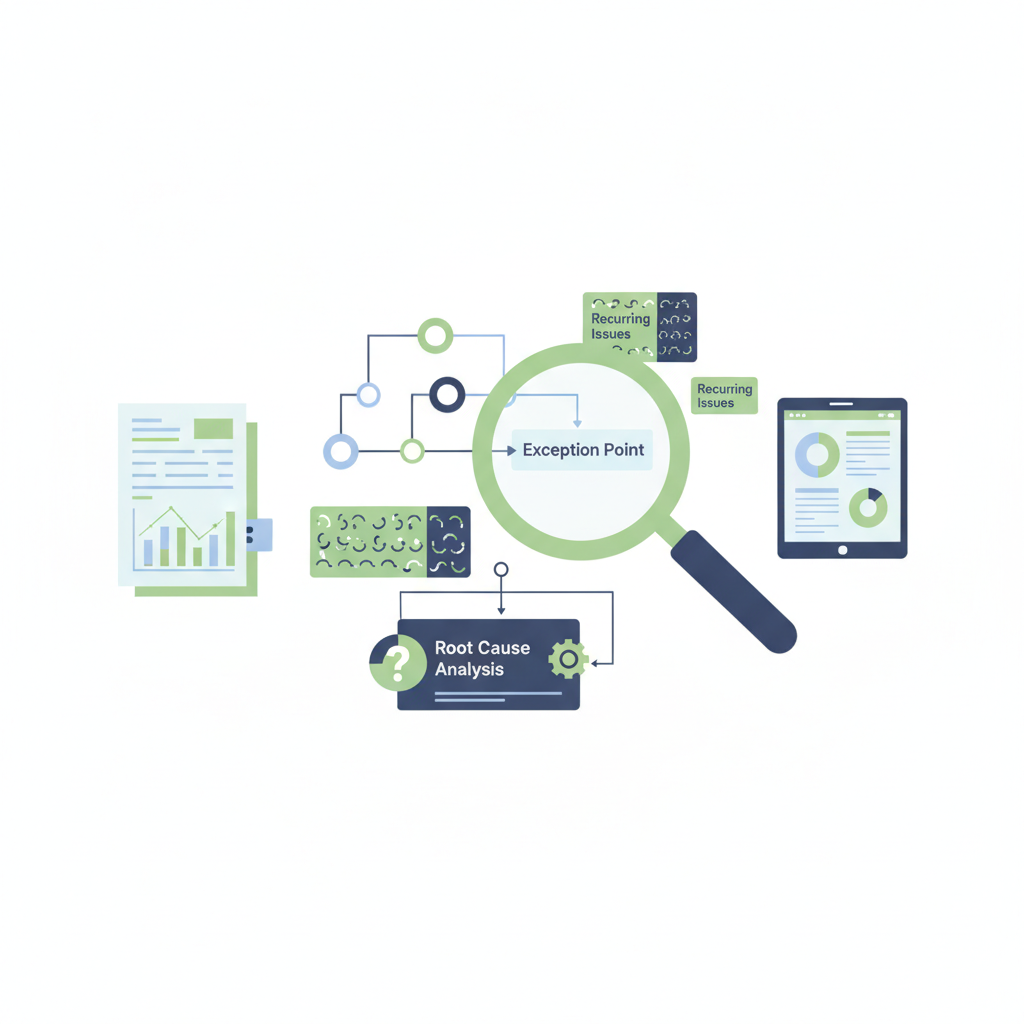
Organize calculation evidence, employee communication, recovery options, approvals, repayments, and payroll corrections in one controlled case record.
The short answer
Organize calculation evidence, employee communication, recovery options, approvals, repayments, and payroll corrections in one controlled case record.
Base the decision on an overpayment case file that links the calculation, authority, communication, recovery decision, transactions, and verified close and keep consequential authority with the client.
Payroll handoff readiness check
Use this table before a provider or Philippines-based payroll support specialist receives access. Match every row to a named owner before the first login.
| Work area | Ready to hand off when | Owner check |
|---|---|---|
| Scope | Population, period, systems, deadline, and exclusions are written. | Confirm the decision and authority. |
| Evidence | Facts, claims, assumptions, and observations remain distinct. | Resolve conflicts. |
| Access | Named access is limited to the task. | Approve removal date. |
| Decision | Consequential questions have owners. | Record the decision. |
“There is no implicit trust granted to assets or user accounts based solely on their physical or network location.”
NIST SP 800-207
Reconstruct the payment before discussing recovery
Start with the approved inputs, calculation version, payroll register, payment record, payslip, and any later reversal. Separate gross earnings, employee deductions, employer costs, taxes, and net payment. A duplicate bank transaction, duplicate earning line, incorrect rate, wrong effective date, or failed reversal can create different case facts. The coordinator should present those facts without declaring what the employee owes.
For a duplicate payment, show the original run and the second transaction side by side. Confirm settlement rather than assuming both references reached the employee. If one transaction returned, the apparent overpayment may no longer exist. If both settled, the recoverable figure may still require payroll, tax, legal, policy, finance, or employee-relations review. Record that decision need explicitly.
Keep communications tied to approved facts
Use an approved contact route and message owner. The first communication may acknowledge that the company is reviewing a payment and explain the next contact point; it should not present an unreviewed number as final. Protect bank, tax, deduction, and employment information. Support staff can schedule calls, record receipt, and maintain a safe case reference, but they should not negotiate a repayment or threaten an outcome.
When an authorized owner approves a recovery route, record the amount basis, schedule, employee agreement or other authority where applicable, payroll instructions, accounting treatment, and exception path. If the employee disputes the facts, preserve the dispute and route it. Do not overwrite the original calculation with the agreed schedule, since they answer different questions.
Reconcile every transaction through closure
Track repayments, payroll deductions, reversals, credits, write-offs, or other approved transactions individually. Compare the remaining case balance with payroll and accounting records after each event. A promised transfer is not collected cash; a payroll deduction instruction is not a completed deduction. Prevent the same amount from being recovered through two routes.
Close only after the designated owner accepts the calculation and disposition, the transactions are verified, the payroll record is corrected where required, employee communication is complete, and the ledger agrees. Review causes such as duplicate input, version confusion, effective-date error, or failed interface separately from the employee case. That lets the organization repair the workflow without delaying a fair, controlled case review.
Distinguish calculation error from payment error
Compare the approved payroll calculation with the actual payment event before labeling the case. An employee can receive the wrong calculated net amount, the correct calculation twice, a payment intended for another account, or an apparent duplicate whose first transaction never settled. Each requires different evidence. Preserve the payroll register, payslip, payment reference, bank or provider status, and any reversal. Do not ask the employee to validate the employer's records by sending bank screenshots through an ordinary channel. The coordinator should present the factual branches to the authorized owners and keep uncertain settlement status visible.
Prepare a period-by-period explanation
Where pay components caused the difference, show the prior and corrected earning periods, rates, units, earnings, deductions, taxes, employer items, and net results according to the approved calculation. Link every input to its source and every treatment to an owner decision. Avoid one unexplained gross or net figure. If later payrolls already include corrections, show them so the case does not recover the same amount twice. A second reviewer should reproduce the comparison for material cases. The packet is evidence for a decision; it is not permission for support staff to decide entitlement, legal recovery, waiver, or accounting treatment.
Give employee communication its own approval path
Define who approves the first notice, detailed explanation, proposed recovery route, response to a dispute, and final confirmation. Use a protected case channel and state only reviewed facts. The message should distinguish the amount under review from an authorized final position. Track delivery and employee response without copying sensitive content into a broad tracker. If an employee raises new evidence, version the calculation and return it to the right owner. Coordination can keep deadlines and meetings moving, but it should never create consent, threaten consequences, or promise a deduction schedule that payroll and the responsible owner have not approved.
Prove the balance reaches zero for the right reason
Maintain a transaction ledger for repayments, approved payroll deductions, reversals, credits, write-offs, and corrections. Each entry needs a date, source, amount, reference, and reviewer. Reconcile this case ledger to payroll, cash or provider evidence, and accounting. Zero is not sufficient if two routes recovered the same amount and another entry offset them. Keep any open employee dispute or downstream correction assigned even when the monetary balance is settled. After closure, analyze the initiating process separately. Improving file versioning, approval timing, or duplicate prevention should not depend on how the individual case was resolved.
Copy-ready brief
Payroll support role brief
Replace the tool names and owner details, then use this list in a provider call or job brief.
- Routine: Coordinate payroll overpayment cases without turning support staff into decision makers
- Output: an overpayment case file that links the calculation, authority, communication, recovery decision, transactions, and verified close
- Access: named, least-privilege accounts
- Approval: authorized client owners
- Stop: unclear source, identity, channel, scope, or authority
Questions from payroll buyers
Who owns payroll overpayment case coordination?
Support prepares an overpayment case file that links the calculation, authority, communication, recovery decision, transactions, and verified close; authorized client owners retain whether an overpayment exists, legal or policy treatment, recovery method, employee agreement, waiver, accounting treatment, and final correction.
What should the first pilot include?
Use one representative cycle including a duplicate payment is visible, but deductions and downstream records make the recoverable amount unclear.
How is progress reviewed?
Track cases opened, calculation reviews, owner decisions pending, employee responses, recovery transactions, remaining balances, and reopened cases, then verify consequential exceptions with their owners.
Sources
- IRS Publication 15 (2026), Employer's Tax GuideOfficial employer guidance for federal payroll records, deposits, reporting, and corrections.
- U.S. Department of Labor Fact Sheet #21Official summary of federal wage and hour recordkeeping requirements.
- NIST SP 800-53 Rev. 5Official security and privacy control guidance.
- Philippine National Privacy Commission: Data Privacy ActOfficial Philippine privacy resource for teams handling personal information.