
Outsource Payroll Company guide
Define the handoff boundary for benefit deductions in outsourced payroll
Published:
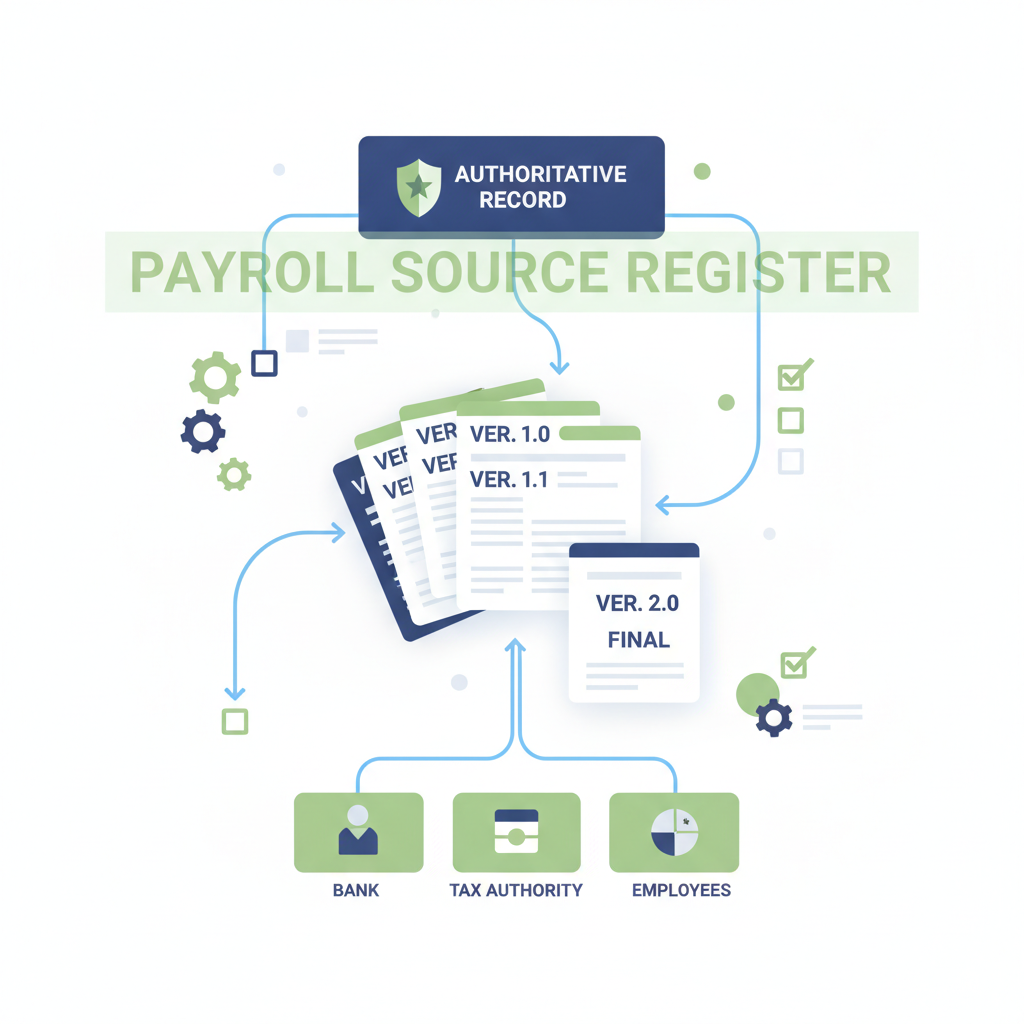
Separate enrollment facts, deduction setup, payroll review, carrier questions, employee cases, and policy decisions before benefit data reaches payroll.
The short answer
Separate enrollment facts, deduction setup, payroll review, carrier questions, employee cases, and policy decisions before benefit data reaches payroll.
Base the decision on a benefit deduction handoff map with source ownership, effective dates, review evidence, and exception routes and keep consequential authority with the client.
Payroll handoff readiness check
Use this table before a provider or Philippines-based payroll support specialist receives access. Match every row to a named owner before the first login.
| Work area | Ready to hand off when | Owner check |
|---|---|---|
| Scope | Population, period, systems, deadline, and exclusions are written. | Confirm the decision and authority. |
| Evidence | Facts, claims, assumptions, and observations remain distinct. | Resolve conflicts. |
| Access | Named access is limited to the task. | Approve removal date. |
| Decision | Consequential questions have owners. | Record the decision. |
“There is no implicit trust granted to assets or user accounts based solely on their physical or network location.”
NIST SP 800-207
Resolve the date sequence before comparing money
A benefit case can carry an election date, coverage start, HR approval date, carrier transmission date, payroll cutoff, first deduction date, and correction date. Put those dates in order before deciding that payroll missed an instruction. The carrier may accept coverage from one date while payroll applies a deduction in a later open period. That gap needs an approved arrears or refund decision, not an improvised amount. Record the rule owner beside the chronology so the preparer knows where a question must go.
For example, an employee submits a life-event change near cutoff. The HR platform records the request immediately, the benefits owner approves it later, and the carrier file arrives after payroll closes. The support lane should preserve all three versions, compare the population and code, and ask the authorized owner which effective date and recovery treatment apply. It should not infer the answer from the newest timestamp.
Compare populations before deduction totals
Start with stable employee references and classify each row as expected in both sources, present only in the election source, present only in payroll, or present in both with different dates or values. Then compare plan, tier, deduction code, employee amount, employer amount, frequency, and arrears state. A matching total can hide two opposing employee errors. Keep the unmatched groups visible until the owner accepts the reason and the corrected payroll output is checked.
Treat zero values deliberately. A zero may mean a valid employer-paid benefit, a waived deduction, a coverage waiting period, a suspended collection, or an incomplete setup. Blank, zero, and not applicable should not collapse into one state. When a code changes, preserve the prior code and the authorized mapping decision. Repeated destination edits without correcting the source will bring the mismatch back in the next file.
Close the loop with the employee case and carrier record
After payroll processes a correction, compare the payslip line, payroll register, benefit election, carrier status, and any approved arrears schedule. If the employee contacted support, link the protected case reference and approved response without copying health or dependent details into the operations tracker. A file accepted by the provider is only an intermediate event. The close record should show that the intended deduction reached the correct employee and period.
Use recurring cases to repair the handoff. Group exceptions by late approval, invalid code, missing identifier, timing difference, duplicate election, carrier rejection, or unresolved policy question. Assign the cause to the workflow that can change it. OutsourcePayrollCompany.com can maintain the register and prepare comparisons, while the client retains benefit policy, eligibility, coverage, refund, arrears, and final payroll decisions.
Name the records that can authorize payroll action
Write down which system or signed record establishes an election, which owner approves an exception, and which file is merely a carrier transmission. This distinction matters when a benefits portal, HR system, carrier roster, and payroll register disagree. Give every source a version, extraction time, covered population, and owner. If the organization allows more than one initiating source, define their precedence and the cases that require manual review. Support can compare the records and build the exception packet, but it should not turn a carrier row or employee email into an approved deduction instruction. The payroll owner needs a traceable route back to the benefits decision.
Design the handoff around cutoffs rather than monthly averages
Map the benefits approval deadline, carrier export, payroll input cutoff, preview review, pay date, and next available correction window. Then place late elections, terminations, leave events, and retroactive changes on that calendar. A monthly service target can look healthy while a file arriving two hours late creates a full-period gap. Use exact time zones and show the last point at which a change can be reviewed without bypassing controls. If a valid event misses the ordinary route, the authorized owner chooses whether it waits, enters an approved correction process, or follows another documented treatment. The coordinator records that choice and prevents the same change from entering twice.
Review money only after code and frequency agree
For matched employees, compare plan identifier, coverage tier, deduction code, employee and employer portions, payroll frequency, currency, start and stop dates, arrears state, and any approved cap. Convert neither a per-period amount nor an annual figure without an approved rule. When payroll and benefits use different code sets, keep a versioned mapping owned by the people who understand both systems. Test changes at period boundaries and on employees moving between pay groups. A correct total with the wrong frequency can create a recurring error, while a small first-period difference may be an approved timing result. The review record should say which is true and cite the decision.
Use the first outsourced cycle as a boundary test
Choose a contained population with ordinary elections, one effective-date edge, one missing source, and one correction. Give the support team read-only or narrowly scoped access and a written stop list. Inspect whether it reports conflicts without choosing policy, keeps protected dependent information out of the tracker, and hands the reviewer a complete chronology before cutoff. At close, compare the source, provider receipt, payroll output, employee case if one exists, and next carrier record. Remove unused access and revise the map where the team relied on informal knowledge. Expand only when the client benefits and payroll owners can reproduce every consequential handoff from the retained evidence.
Copy-ready brief
Payroll support role brief
Replace the tool names and owner details, then use this list in a provider call or job brief.
- Routine: Define the handoff boundary for benefit deductions in outsourced payroll
- Output: a benefit deduction handoff map with source ownership, effective dates, review evidence, and exception routes
- Access: named, least-privilege accounts
- Approval: authorized client owners
- Stop: unclear source, identity, channel, scope, or authority
Questions from payroll buyers
Who owns benefit deduction handoff control?
Support prepares a benefit deduction handoff map with source ownership, effective dates, review evidence, and exception routes; authorized client owners retain plan eligibility, coverage, contribution policy, deduction interpretation, refunds, arrears treatment, and final payroll approval.
What should the first pilot include?
Use one representative cycle including a carrier file and the HR system show different effective dates for the same employee election.
How is progress reviewed?
Track rows received, source conflicts, effective-date exceptions, rejected deductions, unresolved employee cases, and corrections after payroll, then verify consequential exceptions with their owners.
Sources
- IRS Publication 15 (2026), Employer's Tax GuideOfficial employer guidance for federal payroll records, deposits, reporting, and corrections.
- U.S. Department of Labor Fact Sheet #21Official summary of federal wage and hour recordkeeping requirements.
- NIST SP 800-53 Rev. 5Official security and privacy control guidance.
- Philippine National Privacy Commission: Data Privacy ActOfficial Philippine privacy resource for teams handling personal information.